 +55-11-3280-2197
 +1-305-851-7982
 +44-020-8144-4939


Rio de Janeiro
Av. Presidente Wilson, 231 / Salão 902 Parte - Centro
CEP 20030-021 - Rio de Janeiro - RJ
+55 21 3942-1026

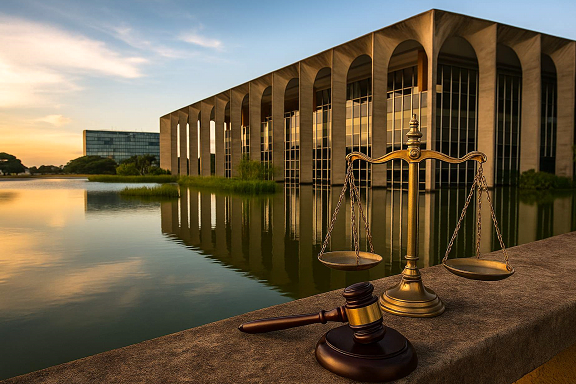
Facing a visa denial can be deeply distressing, especially for individuals who have made significant efforts to live, work, invest, or reunite with family in Brazil. Whether the application was for a temporary visa, permanent residency, work authorization, or humanitarian protection, rejections are not necessarily the end of the road. An appeal can be the most effective way to reverse an unfavorable decision and restore your immigration prospects. A Brazilian appeals visa lawyer specializes in helping clients prepare legal arguments, collect supporting documentation, and navigate the appeals process before Brazilian immigration authorities. This guide explores why visas are denied, your legal rights, appeal procedures, key deadlines, and how a qualified lawyer can strengthen your case and increase your chances of success.
Visa applications may be denied for reasons ranging from incomplete documentation to inconsistencies in information to lack of proof of financial means, criminal background, or perceived immigration intent. Identifying the root cause is the first step in preparing a compelling appeal.
Brazilian law ensures applicants can request formal reconsideration of visa denials through administrative or judicial channels. A lawyer helps you assert these rights and ensures procedural fairness.
Virtually all visa types, including work visas, family reunification, retirement visas, investor visas, humanitarian visas, student visas, and business travel authorizations, may be appealed.
Administrative appeals must generally be filed within 10 to 30 days of the denial, depending on the visa type and issuing authority. Missed deadlines can invalidate your right to appeal.
Visa appeals are commonly submitted to the Ministry of Justice or the local Federal Police. The process requires a written petition, supporting evidence, and precise legal arguments.
If the administrative appeal fails or rights are violated, judicial appeals may be filed in federal courts. A lawyer can challenge procedural flaws or constitutional violations.
Effective appeals include identity verification, financial documents, letters of intent, sponsor declarations, proof of relationship, and any new evidence that supports the visa request.
Discretionary refusals, such as doubts over future return to the home country, can be reversed by presenting ties to the home country, employment contracts, or proof of planned activities in Brazil.
Appeals may also clarify misunderstandings, translation errors, or wrongly interpreted data that led to the visa denial.
An appealing visa lawyer drafts persuasive legal petitions, compiles required evidence, manages deadlines, and represents your interests before immigration bodies.
Consular visa denials are often more complex to appeal, but may be challenged through diplomatic or legal channels. Internal Brazilian immigration refusals can be formally appealed through standard administrative procedures.
Success depends on identifying weak points, correcting documentation, providing new evidence, and presenting a legal theory that aligns with current Brazilian immigration policies.
 Mr. Alessandro Jacob speaking about Brazilian Law on "International Bar Association" conference
 Av. Presidente Wilson, 231 / Salão 902 Parte - Centro
CEP 20030-021 - Rio de Janeiro - RJ
+55 21 3942-1026
Travessa Dona Paula, 13 - Higienópolis
CEP -01239-050 - São Paulo - SP
+ 55 11 3280-2197