 +55-11-3280-2197
 +1-305-851-7982
 +44-020-8144-4939


Rio de Janeiro
Av. Presidente Wilson, 231 / Salão 902 Parte - Centro
CEP 20030-021 - Rio de Janeiro - RJ
+55 21 3942-1026

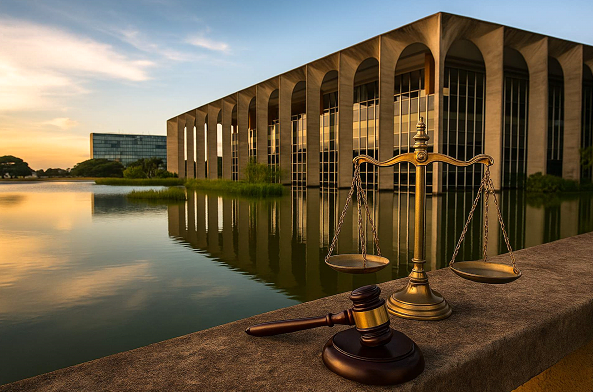
In Brazil, civil rights are deeply rooted in the Constitution and protected by various federal laws. These rights guarantee freedom, equality, dignity, and due process for all individuals, regardless of origin, gender, religion, or political beliefs. Unfortunately, violations still occur in many forms: discriminatory practices in employment, excessive use of force by authorities, denial of access to public services, and arbitrary detention. A Brazilian civil rights attorney is critical in identifying these violations, advising clients of their rights, and taking effective legal action to restore justice. Whether you are the victim of state abuse or private discrimination, having a legal advocate specializing in civil rights law is essential for asserting your rights and pursuing remedies in court or through regulatory bodies.
Civil rights refer to the personal liberties and protections guaranteed to all individuals by the Constitution, including freedom of expression, equal treatment, privacy, and legal due process.
Violations include police brutality, racial profiling, discrimination in education or employment, censorship, unlawful arrest, and failure of the state to protect vulnerable populations.
A civil rights attorney evaluates claims, gathers evidence, files complaints, and represents clients in administrative, civil, or criminal proceedings to ensure justice is served.
Civil rights violations may be based on constitutional provisions, human rights treaties, consumer law, labor regulations, and anti-discrimination statutes.
Victims of unlawful detention or physical abuse by police officers can file administrative complaints, seek criminal prosecution, and claim damages in civil court.
Whether in housing, employment, or education, civil rights attorneys can challenge discriminatory practices based on race, gender, religion, disability, or sexual orientation.
If an individual is punished or censored for lawful speech or expression, legal action can be taken to defend freedom of expression guaranteed by the Brazilian Constitution.
A civil rights attorney ensures that clients are not subjected to arbitrary judicial decisions, a lack of legal representation, or unfair trial procedures.
Failure to provide equitable access to healthcare, education, and transportation may constitute a violation of civil rights, especially for historically marginalized communities.
Victims of civil rights violations may seek injunctive relief, punitive damages, and public apologies through legal proceedings.
Attorneys can defend individuals arrested or harassed during peaceful demonstrations or civic participation initiatives.
Civil rights lawyers often coordinate with local and international NGOs to file legal actions, raise awareness, and monitor compliance with human rights standards.
For personalized guidance, send an email to: info@alvesjacob.com
 Mr. Alessandro Jacob speaking about Brazilian Law on "International Bar Association" conference
 Av. Presidente Wilson, 231 / Salão 902 Parte - Centro
CEP 20030-021 - Rio de Janeiro - RJ
+55 21 3942-1026
Travessa Dona Paula, 13 - Higienópolis
CEP -01239-050 - São Paulo - SP
+ 55 11 3280-2197