 +55-11-3280-2197
 +1-305-851-7982
 +44-020-8144-4939


Rio de Janeiro
Av. Presidente Wilson, 231 / Salão 902 Parte - Centro
CEP 20030-021 - Rio de Janeiro - RJ
+55 21 3942-1026

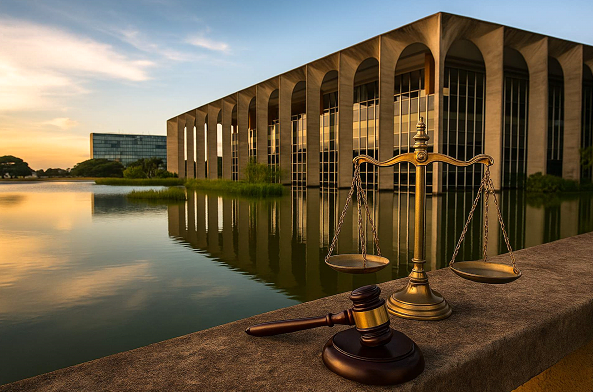
The Constitution is the supreme law of Brazil, serving as the foundation for all legislation, governance, and individual rights. It guarantees freedom of speech, equal treatment, due process, and protection from state abuse. However, constitutional violations can occur when laws conflict with constitutional principles or public officials act beyond their powers. A Brazilian constitutional lawyer is trained to interpret constitutional provisions, challenge unconstitutional laws, and defend clients whose fundamental rights are threatened. These professionals are critical in upholding democracy and the rule of law. They litigate before the Supreme Federal Court (STF), advise on constitutional compliance, and represent individuals, companies, and public entities in cases of national relevance. This guide provides a comprehensive overview of the work of constitutional lawyers in Brazil, including key legal concepts, types of constitutional actions, and common rights-related disputes.
Constitutional law involves interpreting and enforcing the Brazilian Constitution, especially in matters concerning the distribution of powers, civil rights, and legal checks on government authority.
If a law or public act violates your rights or if you need to challenge the constitutionality of legislation, a constitutional lawyer provides essential guidance and representation.
Violations include censorship, unlawful arrests, discrimination, invasion of privacy, abuse of executive power, and retroactive laws that harm acquired rights.
Rights include freedom of movement, religious liberty, presumption of innocence, access to information, legal representation, and equal protection under the law.
Judicial review allows courts to invalidate laws or acts that conflict with constitutional norms. The STF has the final authority on constitutional interpretation.
ADI is a legal action to declare a federal or state law unconstitutional. Only certain entities, like the Attorney General or political parties, may initiate it.
This mechanism allows individuals or entities to complain when judicial decisions or acts conflict with previous STF rulings.
These are constitutional guarantees for protection against unlawful detention or for access to and correction of personal data held by public bodies.
These actions safeguard individual rights when ordinary legal remedies are insufficient, particularly in emergencies.
A constitutional lawyer helps navigate legal disputes between federal and state authorities, particularly over competencies and policy enforcement.
Companies may raise constitutional arguments when regulations infringe on economic freedom, property rights, or due process.
Effective advocacy before the STF requires mastery of constitutional doctrine, precedents, and persuasive argumentation tailored to Brazil’s highest court.
For personalized guidance, send an email to: info@alvesjacob.com
 Mr. Alessandro Jacob speaking about Brazilian Law on "International Bar Association" conference
 Av. Presidente Wilson, 231 / Salão 902 Parte - Centro
CEP 20030-021 - Rio de Janeiro - RJ
+55 21 3942-1026
Travessa Dona Paula, 13 - Higienópolis
CEP -01239-050 - São Paulo - SP
+ 55 11 3280-2197