 +55-11-3280-2197
 +1-305-851-7982
 +44-020-8144-4939


Rio de Janeiro
Av. Presidente Wilson, 231 / Salão 902 Parte - Centro
CEP 20030-021 - Rio de Janeiro - RJ
+55 21 3942-1026

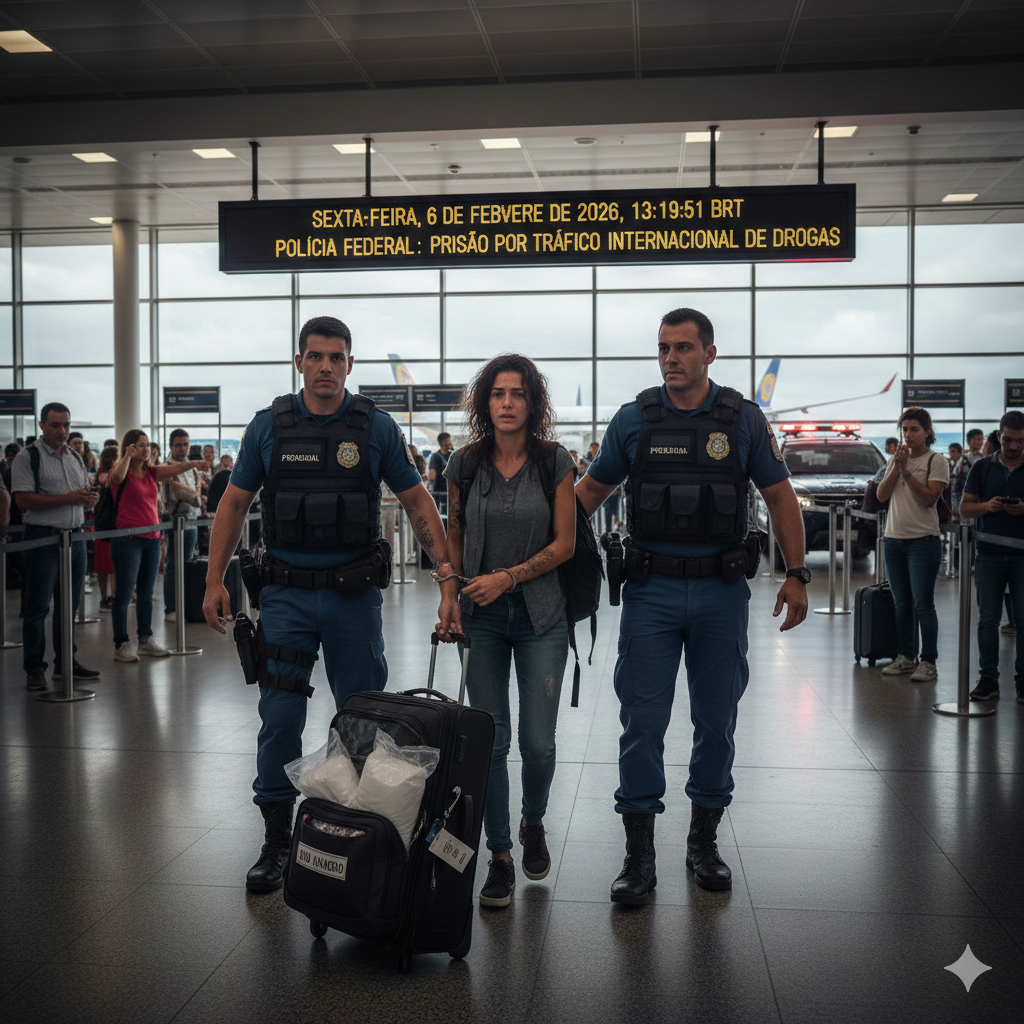
Drug Mule Arrested in Brazil: What Happens Next
The Immediate Shock After a Drug Mule Arrest in Brazil
Being arrested in Brazil on accusations of carrying drugs across borders is a moment that changes everything instantly. For foreigners, the shock is often intensified by the unfamiliarity of the legal system, the language barrier, and the sudden loss of freedom. Many people initially believe the situation will be easy to explain or quickly resolved, especially if they see themselves as innocent or minimally involved. That assumption is one of the most dangerous misunderstandings in Brazilian criminal law.
Brazil treats alleged drug mule cases as serious criminal matters from the very first minute. There is no informal phase and no grace period to clarify facts calmly. From the moment authorities identify suspected drugs, the case enters a formal legal framework that prioritizes investigation, evidence preservation, and public security. What feels like confusion to the accused is already a structured criminal procedure moving forward.
For families and detainees alike, understanding that this is not a simple misunderstanding but a full criminal case is essential to avoid mistakes driven by panic or false expectations.
How Drug Mule Arrests Usually Begin
Most arrests involving alleged drug mules occur at international airports, border checkpoints, or ports. Federal police officers conduct inspections based on behavior, intelligence data, luggage irregularities, or travel patterns. Once substances are found or strongly suspected, the situation escalates immediately.
The individual is formally arrested, informed of the accusation, and taken into custody. Personal belongings such as passports, phones, laptops, and documents are seized. Authorities may review messages, call histories, photos, travel itineraries, and financial records. These materials often become central elements of the investigation.
Questioning usually occurs very early, sometimes before the detained person fully understands the legal consequences of what is being said. Many foreigners assume this questioning is merely administrative or intended to clarify facts. In reality, these statements can shape the entire case and influence future judicial decisions.
Federal Police and International Routes
Drug mule cases involving cross-border travel almost always fall under federal jurisdiction. Federal authorities handle crimes related to international trafficking, airports, and customs. This means the case is treated with higher levels of scrutiny and more rigid procedural rules.
Federal investigations often involve coordination with international agencies, airline data, and border control systems. This can extend the timeline of the case while simultaneously increasing the seriousness of the accusations. For the accused, this means fewer opportunities for informal resolution and greater dependence on formal legal strategy.
Foreigners are often surprised to learn that being unfamiliar with Brazilian law does not alter the procedure. The same standards apply regardless of nationality, and international status does not soften the approach taken by authorities.
Why Claiming Lack of Knowledge Is Not Enough
One of the most common reactions after a drug mule arrest is stating that the person did not know they were carrying drugs. While lack of intent can be relevant to the defense, it does not automatically prevent prosecution or detention in Brazil.
Authorities examine intent based on objective factors rather than verbal claims. These factors include how the substance was concealed, the quantity involved, communication records, travel history, financial connections, and consistency of statements. Even first-time travelers or individuals carrying luggage for someone else may face the same criminal process as experienced traffickers.
Statements made without legal guidance can unintentionally create contradictions or raise doubts. Once recorded, these inconsistencies can be difficult to correct later. This is why early declarations are often one of the most critical points in the entire case.
The Risk of Unprotected Cooperation
Many foreigners believe that full cooperation without legal advice will lead to immediate release. While cooperation can be a relevant element in some cases, unstructured or poorly handled cooperation often creates more problems than solutions.
Answering questions without understanding the legal framework can result in admissions that are misinterpreted or taken out of context. Brazilian criminal procedure values formal evidence, and spontaneous explanations do not replace structured defense arguments.
Cooperation should never be confused with self-incrimination. Knowing when and how to speak is as important as knowing what to say. Once statements are officially documented, they become part of the permanent case record.
The False Expectation of Deportation Instead of Prosecution
Another widespread misunderstanding is the belief that foreigners arrested as drug mules will be deported rather than prosecuted. In Brazil, criminal prosecution almost always comes before any immigration measure.
Authorities focus first on investigating the alleged crime and determining criminal responsibility. Deportation or expulsion is considered only after the criminal case is resolved or under very specific legal conditions. Until then, the accused remains under Brazilian jurisdiction.
This reality surprises many families and detainees who expect a quick administrative solution. Relying on this assumption can delay critical defense actions during the most important phase of the case.
Preventive Detention and Its Consequences
The legal situation becomes significantly more serious when preventive detention is ordered. Preventive detention allows the accused to remain in custody while the investigation and prosecution continue. In drug trafficking cases involving international routes, this measure is frequently requested.
Judges may justify preventive detention based on risks such as flight, interference with evidence, or the seriousness of the alleged offense. Once granted, release becomes more complex and requires solid legal arguments supported by procedural and factual analysis.
Preventive detention often marks a turning point in the case. Communication becomes more restricted, timelines extend, and emotional pressure increases. Families frequently experience the contrast between the speed of early decisions and the slower pace of subsequent proceedings.
Language Barriers and Procedural Confusion
Foreigners arrested in Brazil often struggle to understand the difference between police questioning, formal hearings, and judicial decisions. Language barriers amplify confusion and increase the risk of procedural misunderstandings.
Misinterpreting questions or legal terms can lead to answers that do not accurately reflect reality. This can affect how authorities perceive credibility and intent. Small procedural errors at the beginning may limit defense options later in the process.
Clear legal interpretation and accurate communication are essential to avoid misunderstandings that could have long-term consequences.
Individual Analysis of Each Drug Mule Case
There is no automatic outcome in drug mule cases in Brazil. Each situation is analyzed individually based on specific factors. Quantity of substance, concealment method, travel frequency, communication patterns, and financial evidence all play a role.
Authorities do not rely on stereotypes or assumptions alone. However, they do evaluate patterns and inconsistencies. What may seem insignificant to the accused can become relevant in the legal analysis.
Because of this individualized approach, comparisons with other cases or online stories are often misleading. What happened to someone else does not determine what will happen next in a different case.
How the Case Develops After the First Hours
After the initial arrest and questioning, the case enters a phase of evidence review and formal structuring. Prosecutors analyze police reports, seized materials, and statements to determine whether to file charges.
This phase can take time, especially in cases involving international elements. Families often feel frustrated by the lack of updates during this period, but silence does not mean inactivity. Behind the scenes, the case is being built.
Defense strategy during this stage focuses on challenging evidence, identifying procedural flaws, and constructing a coherent narrative of facts within the legal system.
Long-Term Legal and Personal Consequences
A drug mule arrest in Brazil can have lasting effects beyond detention. Criminal records, future travel restrictions, visa denials, and professional consequences may follow even after the case concludes.
Families often focus exclusively on immediate release without considering these broader implications. Decisions made early in the case can influence outcomes years later.
Understanding the long-term risks allows for more responsible decision-making and realistic expectations.
Emotional Impact on the Accused and Their Families
The psychological burden of a drug trafficking accusation is immense. Fear, shame, anxiety, and isolation affect both the detainee and their loved ones. Distance intensifies these emotions by limiting contact and control.
Families may receive conflicting advice from friends, social media, or online forums. This overload of information often increases confusion rather than providing clarity.
Maintaining emotional stability is critical to making rational legal decisions. Panic rarely helps, but informed action can make a real difference.
Avoiding Common Mistakes After a Drug Mule Arrest
Certain mistakes appear repeatedly in these cases. Delaying legal analysis, relying on informal solutions, sharing incomplete stories publicly, or acting based on assumptions can all worsen outcomes.
Families sometimes underestimate the importance of early procedural steps. Others attempt to intervene directly without understanding legal boundaries.
Avoiding these errors requires discipline, patience, and accurate information. Strategic silence and structured action are often more effective than reactive behavior.
Clarity and Strategy as the Path Forward
After a drug mule arrest in Brazil, clarity matters more than speed. Understanding what happens next allows individuals and families to replace fear with structure and uncertainty with strategy.
There is no single formula or guaranteed outcome. Each case depends on facts, timing, and how the defense is developed from the first hours onward.
Informed decisions do not eliminate risk, but they significantly reduce the chance of irreversible mistakes. In situations like this, knowledge and preparation are the strongest tools available.
PERGUNTAS E RESPOSTAS FREQUENTES
Um estrangeiro preso como mula do tráfico no Brasil pode ser solto rapidamente
Depende do caso, mas a soltura imediata não é comum em rotas internacionais.
Dizer que não sabia da droga resolve o problema
Não automaticamente. A alegação precisa ser analisada com base em provas.
O caso sempre é federal
Na maioria das situações com fronteiras e aeroportos sim.
A prisão preventiva é obrigatória
Não é automática, mas é frequentemente solicitada.
A cooperação sem advogado ajuda
Pode gerar riscos se não for orientada corretamente.
O passaporte é apreendido
Geralmente sim, especialmente quando há risco de fuga.
A deportação acontece antes do processo
Normalmente não. O processo criminal vem primeiro.
O histórico de viagens é analisado
Sim, padrões de viagem são relevantes.
Conversas de celular podem ser usadas
Sim, comunicações digitais são frequentemente avaliadas.
A família pode acompanhar à distância
Sim, com limitações.
O idioma interfere nos direitos
Não, mas pode afetar a compreensão do processo.
O processo pode durar meses
Sim, especialmente com elementos internacionais.
O fato de ser primário ajuda
Pode ajudar, mas não impede a prisão inicial.
Há pena mesmo sem organização criminosa
Sim, a lei analisa o ato em si.
A mídia pode prejudicar o caso
Exposição inadequada pode gerar riscos.
Cada caso é analisado individualmente
Sim, não há resultado automático.
Erros iniciais afetam o processo
Sim, especialmente declarações mal feitas.
O caso afeta vistos futuros
Pode impactar imigração e viagens.
Existe solução rápida garantida
Não.
Informação correta reduz riscos
Sim, conhecimento evita erros graves.
Para serviços jurídicos relacionados a prisões de mulas do tráfico no Brasil e defesa criminal internacional envie email para: info@alvesjacob.com
 Mr. Alessandro Jacob speaking about Brazilian Law on "International Bar Association" conference
 Av. Presidente Wilson, 231 / Salão 902 Parte - Centro
CEP 20030-021 - Rio de Janeiro - RJ
+55 21 3942-1026
Travessa Dona Paula, 13 - Higienópolis
CEP -01239-050 - São Paulo - SP
+ 55 11 3280-2197